اقرأ بالعربية / Read in Arabic
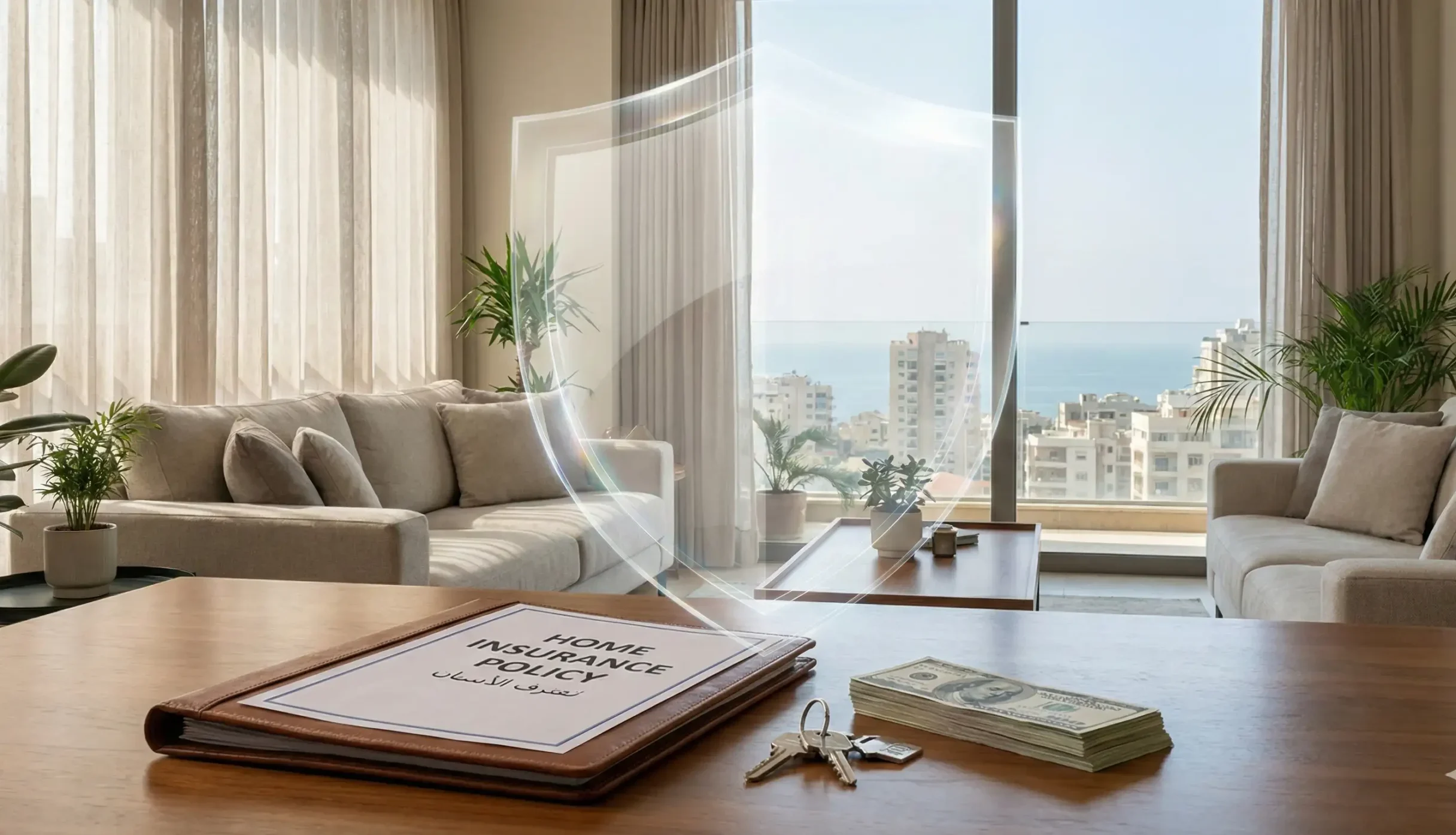
For years, many Lebanese viewed home insurance as useless, bank-requirement paperwork with no real value. That perception was shaped by the Lollar crisis, frozen claims, and a deep trust deficit in the financial system.
But since 2022, something fundamental has changed.
Home insurance in Lebanon has largely shifted to a Fresh Dollar basis. When you pay your premium in fresh USD, valid policies now pay claims in fresh USD as well.
In a country where infrastructure has collapsed electricity, water, and public safety home insurance has quietly become one of the most practical tools for protecting your remaining assets.
More importantly, modern home insurance policies in Lebanon cover far more than fire and theft. Below are five coverages that consistently surprise homeowners and renters alike.
1. Damage You Cause to Your Neighbours (Third-Party Liability)
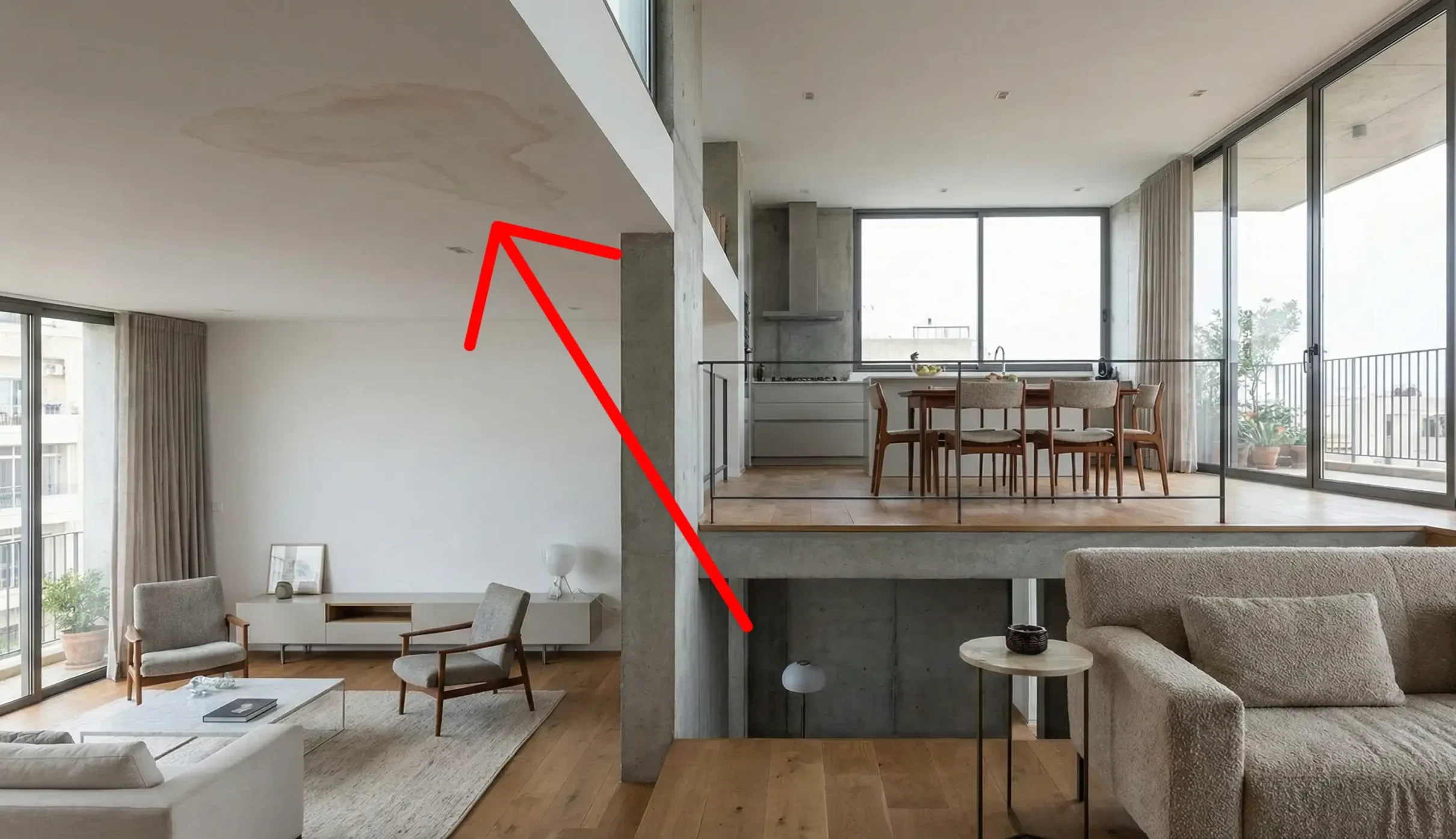
In Lebanon’s dense apartment buildings, disputes between neighbours usually start with one thing: water.
A leaking pipe, overflowing tank, or cracked bathroom tile can destroy ceilings, furniture, and expensive finishes in the apartment below. What many people don’t realize is that you are legally responsible for damage caused to others even if it was accidental.
Most comprehensive home insurance policies include Third-Party Liability, often called “neighbour recourse.” This coverage pays for damage you cause to others, meaning the insurance company covers the repair bill instead of you paying thousands of fresh dollars out of pocket.
This single clause can prevent legal disputes, long-term neighbour conflicts, and unexpected financial shocks.
To understand how liability works under Lebanese insurance law, see our detailed guide on
insurance regulations in Lebanon.
2. Solar Panels and Inverters (Lebanon’s New Gold)
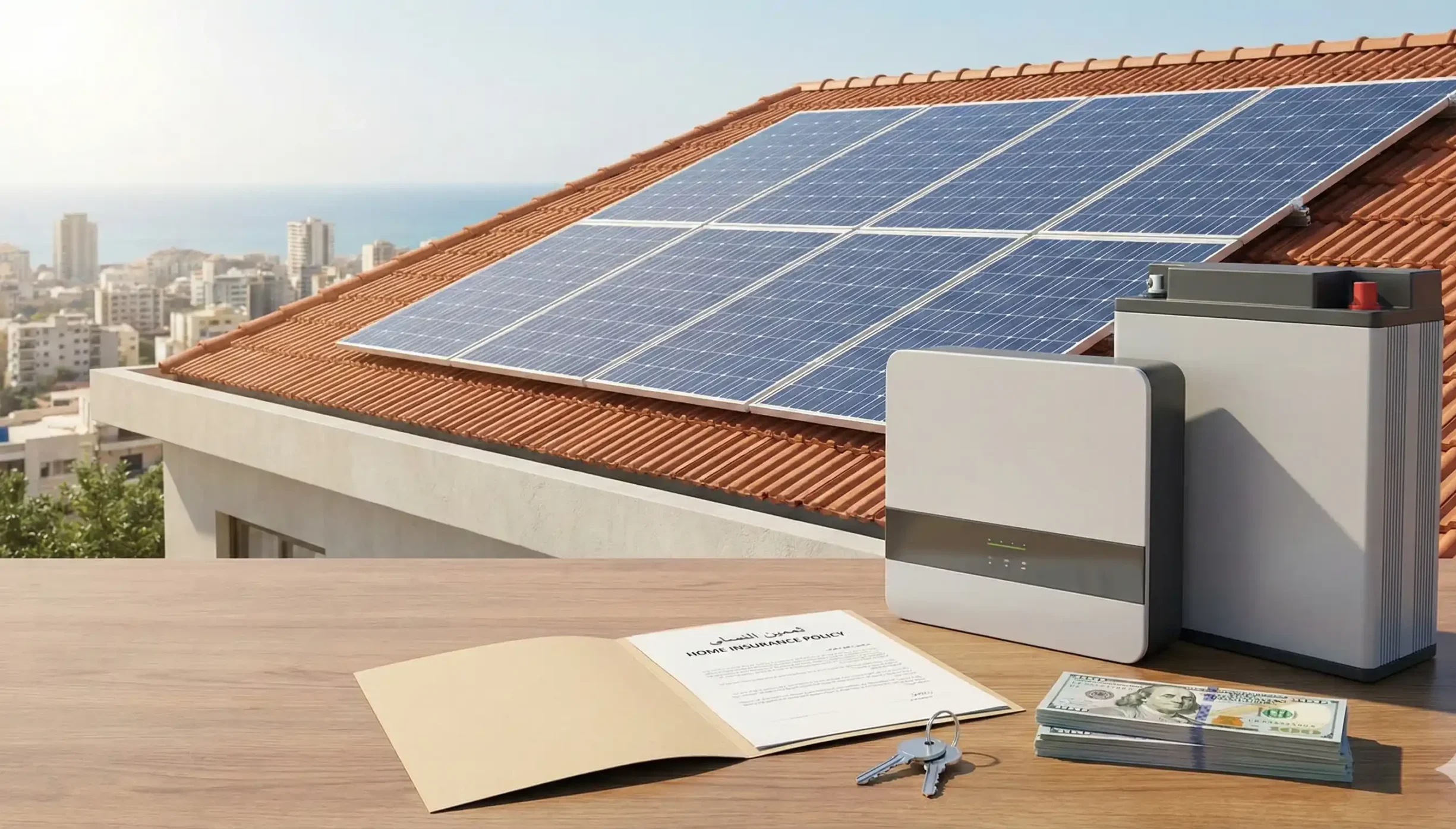
Solar energy is no longer a luxury in Lebanon it’s a necessity. With installations often costing between $5,000 and $25,000, a solar system is one of the most valuable assets attached to a home.
Solar panels are generally covered under a property insurance policy as part of the building, rather than through a separate standalone policy. To be insured, they must be declared and included in the total insured value of the property.
Coverage may include:
- Fire damage
- Theft of inverters
- Weather-related damage
Battery systems, especially lithium-ion batteries, may require specific disclosure or an additional rider due to fire risk. Improper or DIY installations are frequently excluded.
If you already have solar installed, failing to update your policy can result in under-insurance, meaning only partial claim payments.
Learn more in our
home insurance guide for Lebanon.
3. Temporary Housing If Your Home Becomes Unlivable (Loss of Use)
If a fire, flood, or major structural issue makes your home uninhabitable, the financial damage doesn’t stop with repairs. Rent in Lebanon is priced in USD, and short-term housing costs can quickly spiral.
Most comprehensive home insurance policies include Loss of Use, also known as Alternative Living Expenses (ALE).
This coverage typically pays for:
- Hotel stays
- Temporary rental apartments
- Basic living expenses while repairs are completed
For families, this coverage can be the difference between stability and displacement.
This protection is explained further in
why home insurance is now a necessity in Lebanon.
4. Riots and Civil Disturbance (SRCC Coverage)
Most Lebanese assume anything “political” is excluded from insurance. That’s only partially true.
While war is almost always excluded, many insurers offer optional coverage for Strikes, Riots, and Civil Commotion (SRCC). This rider can cover vandalism and physical damage caused during protests or civil unrest.
Since 2019, this coverage has become particularly relevant for properties in city centers and commercial zones.
Understanding exclusions versus optional extensions is critical. Read more in our article on
common home insurance mistakes in Lebanon.
5. Full Fresh Dollar Replacement for Electronics and Personal Belongings
Renters often assume insurance is only the landlord’s responsibility. In reality, renter’s insurance can be one of the highest-value policies available in Lebanon.
For a relatively low premium, renter and homeowner policies can cover:
- Laptops and smartphones
- Televisions and appliances
- Furniture and personal belongings
With Replacement Cost Value (RCV), stolen or destroyed items are replaced at today’s market prices in fresh dollars not depreciated values.
In an inflation-driven economy, that difference is significant.
What You Must Confirm Before Buying or Renewing
- Is the policy paid and paid-out in fresh USD?
- Is coverage based on Replacement Cost or Actual Cash Value?
- Are solar systems, batteries, and generators properly declared?
- Are coverage limits updated after renovations or inflation?
Failure to confirm these points is the most common reason claims are reduced or denied.
For a provider comparison, review our list of
best home insurance companies in Lebanon.
Conclusion: Home Insurance as a Fresh Dollar Firewall
Home insurance in Lebanon has evolved. It is no longer symbolic paperwork. When structured correctly, it acts as a financial firewall protecting your fresh dollars from infrastructure failure, accidents, and instability.
Before the next leak, surge, or spark, review your policy carefully. What you don’t know about your coverage can cost far more than the premium itself.
Take Action: Get Your Policy Reviewed
If you are not 100% sure your policy:
- Pays claims in fresh USD,
- Reflects today’s true replacement costs,
- Properly includes solar systems, generators, or renovations,
Then reviewing it now could save you thousands later.
We help homeowners and renters structure clear, fresh-dollar home insurance solutions with no confusing wording and no hidden gaps.
Request a professional review today
A short review now is far less costly than discovering exclusions after a loss.
FAQs: Home Insurance in Lebanon (Fresh Dollar Policies)
1) Does home insurance in Lebanon really pay in fresh USD?
Yes, if the policy is structured and paid in fresh USD, valid claims are typically paid in fresh USD. Always confirm currency terms in writing.
2) Are solar panels automatically covered?
They are generally covered as part of the building if declared and included in the insured value. Undeclared systems may result in reduced claims.
3) What is Third-Party Liability in home insurance?
It covers damage you accidentally cause to others, such as water leakage damaging a neighbour’s apartment.
4) What is Loss of Use coverage?
Loss of Use (ALE) pays for temporary accommodation and basic living expenses if your home becomes uninhabitable due to a covered event.
5) Is riot or civil disturbance covered?
War is usually excluded, but many insurers offer optional SRCC (Strikes, Riots, Civil Commotion) coverage as an extension.
6) What is the difference between RCV and Actual Cash Value?
Replacement Cost Value (RCV) replaces items at today’s price, while Actual Cash Value deducts depreciation. In Lebanon’s inflationary environment, this difference is significant.
7) Do renters need home insurance in Lebanon?
Yes. Renters can insure personal belongings even if they do not own the property structure.
8) Why are claims sometimes reduced?
Common reasons include under-insurance, undeclared upgrades (like solar), currency mismatch, or outdated coverage limits.