اقرأ بالعربية / Read in Arabic
Table of Contents
Most small business owners in Lebanon carry some insurance, usually the fire policy the landlord required and compulsory motor cover on the delivery van. Far fewer carry the covers that decide whether the business survives a bad year: liability, workers’ compensation, business interruption, and protection against political violence. This guide explains what a Lebanese SME genuinely needs in 2026, segmented by business type, including the exclusions that generic advice never mentions.
The short answer: five covers every Lebanese SME should price first
If you run a small or medium business in Lebanon, price these five covers before anything else:
- Property and fire insurance for the premises, fit-out, equipment, and stock.
- Public liability insurance for injury or damage suffered by customers and other third parties.
- Workers’ compensation, which insures the employer’s legal liability for workplace accidents and is effectively required for anyone with employees.
- Business interruption cover, which replaces lost gross profit and fixed costs when insured damage forces a temporary closure.
- An SRCC or political violence extension, because standard fire policies exclude war, strikes, riots, and civil commotion, and most owners only discover that at claim time.
Everything beyond these five depends on the business itself. The sections below explain each cover, then map them by business type.
What an SME insurance package includes in Lebanon
Lebanese insurers sell these covers as standalone policies or bundled into an SME package. A bundle usually costs less, keeps everything with one insurer, and simplifies claims handling. Standalone policies still make sense when a single exposure dominates, such as a jewellery shop whose stock value dwarfs every other risk.
Property and fire (building, contents, stock)
The base of any package is property insurance covering the building if you own it, plus fit-out, machinery, furniture, and stock. Standard perils include fire, lightning, and explosion, with extensions available for theft, water damage, glass and signage, and natural events. Insure at full replacement value, because Lebanese policies apply an average clause and underinsured premises see claims reduced proportionally.
Public liability
Public liability responds when a third party is injured or their property is damaged in connection with your business. A customer slipping on a wet floor or a scald from hot service can generate a claim large enough to erase a year of profit. Landlords and franchise agreements in Lebanon increasingly require proof of liability cover before signing a lease.
Workers’ compensation (the mandatory one)
Lebanese labor law makes employers liable for workplace accidents, and a workers’ compensation policy is how that liability is insured. It pays medical costs and compensation for injured employees. NSSF registration does not replace it, because the employer’s accident liability sits outside routine NSSF benefits.
Business interruption
Property cover rebuilds the premises, but it pays nothing for the months of lost income while you rebuild. Business interruption insurance covers that gap, replacing lost gross profit and continuing fixed costs such as rent and salaries. It matters more in Lebanon because reinstatement takes longer here, with imported equipment and contractor delays stretching recovery times. Check the wording carefully: BI is triggered by insured physical damage, so a pure power outage with no damage is generally not covered.
Insurance by business type: what you actually need
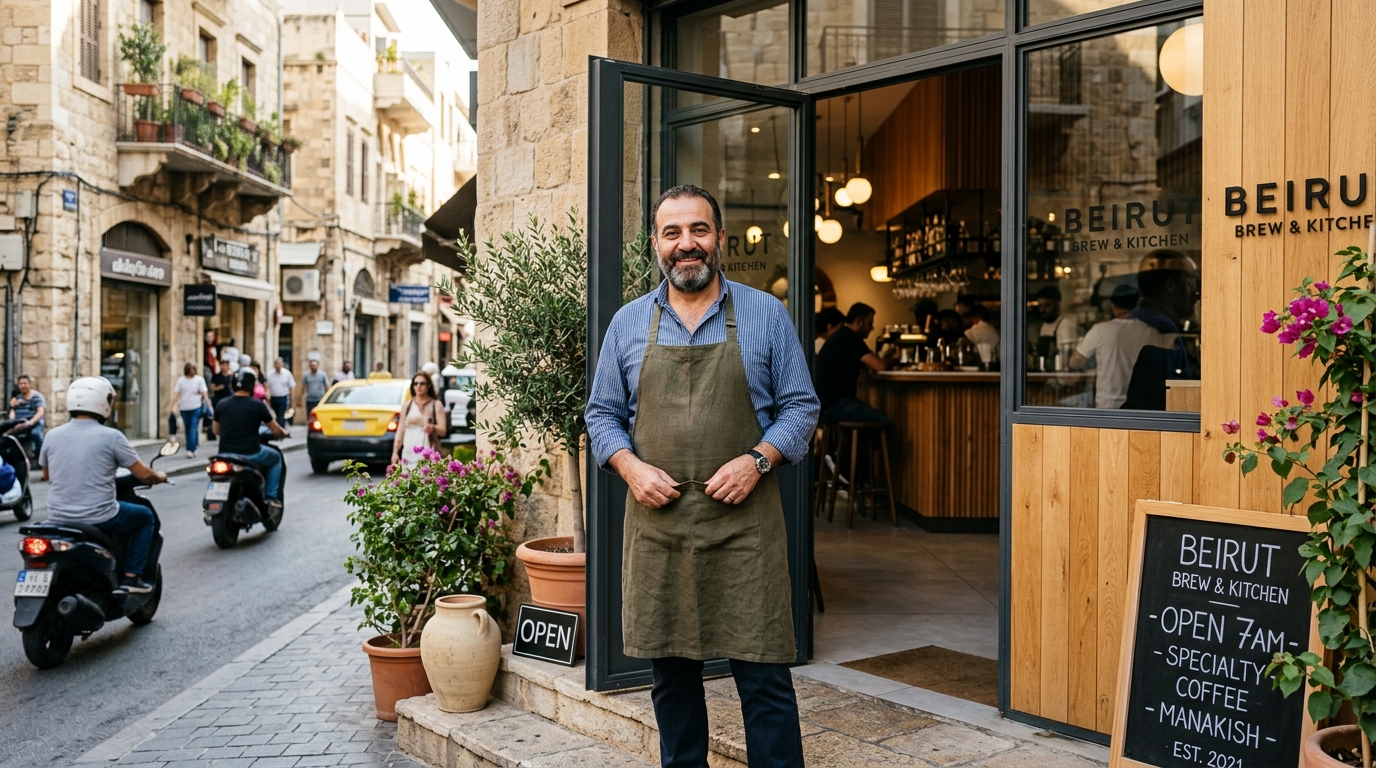
A cafe in Gemmayzeh, a pharmacy in Tripoli, and an accounting office in Jal el Dib face very different risks, which is where generic cover lists stop being useful. The table below summarises how priorities shift by business type.
| Business type | Core covers | Extensions worth pricing | Main exposure |
|---|---|---|---|
| Restaurant or cafe | Fire and contents, public liability, workers’ compensation | Food poisoning, business interruption, SRCC | Kitchen fire and customer liability claims |
| Retail shop | Stock and contents, theft, premises liability | Glass and signage, SRCC and political violence | Stock loss from fire, theft, or street unrest |
| Clinic or medical practice | Medical malpractice, equipment, patient liability | Equipment breakdown, business interruption | Malpractice claims and specialised equipment damage |
| Office or service business | Contents, professional indemnity, workers’ compensation | Cyber, staff medical, directors’ liability | Professional errors and data incidents |
Restaurants and cafes
Kitchens concentrate fire risk, so insurers ask about extraction cleaning, gas installations, and extinguishing equipment before quoting. Public liability with a food poisoning extension is the core cover, since one contaminated batch can produce several simultaneous claims. Staff cover matters because burns and cuts are routine kitchen injuries, and business interruption is worth pricing given how dependent food businesses are on continuous trading.
Retail shops
For retailers the stock is the business, so accurate sums insured and seasonal stock adjustments matter most. Theft cover should reflect how the shop is actually secured, since insurers apply warranties about locks, shutters, and alarms. Shops on commercial streets also carry real exposure to strikes, riots, and civil commotion, which makes the SRCC extension below particularly relevant.
Clinics and medical practices
A clinic’s largest exposure is professional, since a malpractice allegation can outlast and outcost any property loss. Medical malpractice cover sized to the procedures actually performed comes first, with patient liability for non-clinical injuries alongside it. Diagnostic equipment is expensive, sensitive to power fluctuation, and slow to replace through import channels, so equipment cover with breakdown extensions deserves attention.
Offices and service businesses
Agencies, consultancies, and professional firms carry lighter property risk but real professional indemnity exposure, since an error in advice or delivered work can trigger a client claim. Cyber cover is becoming relevant for any office holding client data. Firms that outgrow a handful of staff can structure group medical, fleet, and multi-line programmes under corporate insurance instead of separate SME policies.
War, political violence and SRCC: the cover nobody explains
This is the gap that costs Lebanese business owners the most, and almost nobody explains it clearly. Every standard fire and property policy sold in Lebanon excludes war, political violence, strikes, riots, and civil commotion. An owner who insured the shop for fire and assumes damage from unrest is covered will find the claim declined on that exclusion, however long the premiums were paid.
The protection exists, but it must be bought separately. An SRCC extension adds strikes, riots, and civil commotion back to the policy, covering a protest or street clash damaging a storefront. A political violence extension goes further, picking up sabotage, terrorism, and in some wordings war-related perils. Pricing is quoted case by case and underwriting appetite varies with location, so two similar shops in different districts can receive very different terms. Insurers also reassess appetite continuously, so cover available today may be restricted after an escalation and owners who wait often find the window closed.
For shops, restaurants, and ground-floor businesses on commercial streets, this is arguably the most Lebanese-specific insurance decision there is. The Guardian brokers SRCC and political violence extensions across the local market, and our war risk insurance guide for 2026 covers the wordings and what underwriters currently ask for in more depth.
What SME insurance costs in Lebanon in 2026
Since the banking crisis the Lebanese market has moved entirely to fresh USD, with premiums paid and claims settled in the same currency. Beyond that, there is no flat answer, because SME premiums are built from the specifics of each risk. These variables move the price:
- Location and construction: a concrete office in a quiet area prices differently from a timber-fitted restaurant on a busy street.
- Sums insured: building value, fit-out, equipment, and especially stock levels drive the property premium directly.
- Activity and headcount: liability and workers’ compensation pricing follows what the business does and how many people it employs.
- Security and protections: alarms, shutters, extinguishing systems, and generator installations all affect terms.
- Extensions selected: SRCC, political violence, food poisoning, and business interruption each add premium in proportion to the exposure.
- Claims history: a clean record earns better terms at renewal.
Because these factors interact, quotes for the same business vary meaningfully between insurers. The practical way to find your number is to request a quote with your real values and let a broker place the risk competitively.
Claims in Lebanon: what actually happens when you file
A policy is only as good as its claims outcome, and post-crisis Lebanon has taught owners to ask harder questions. Before binding cover, confirm that premiums and claims are both stated in fresh USD, that the insurer carries credible reinsurance backing, and what documentation is expected at claim time. Keep purchase invoices, stock records, and photographs of the premises updated and stored off-site, because proving values falls on the insured. Settlement speed depends on how complete the file is, and a broker managing the claim typically shortens the process.
How to buy: direct vs through a broker
Buying directly from an insurer means accepting one company’s wording and price. A broker compares terms across the Lebanese market, flags exclusions like war and political violence before you sign, negotiates extensions, and advocates for you when a claim is filed. Brokerage costs the SME nothing extra, since brokers are remunerated by insurers. The Guardian is an independent insurance broker based in Mansourieh, working with leading Lebanese insurers on SME and commercial risks.
Frequently Asked Questions
What insurance is a small business legally required to have in Lebanon?
Lebanese labor law requires employers to cover employees against workplace accidents, which is met through a workers’ compensation policy. Vehicles need compulsory third-party motor cover. Everything else is technically optional, but landlords, banks, and franchise agreements routinely require fire and liability cover before signing a lease or loan.
How much does SME insurance cost in Lebanon in 2026?
Premiums are quoted in fresh USD. A small office might pay a few hundred dollars a year for a bundled package, while a restaurant or clinic with higher liability exposure typically pays more. Location, construction type, stock value, and headcount drive the price, so quotes vary widely between insurers.
Does standard fire insurance cover war or political violence damage?
No. Standard fire and property policies in Lebanon exclude war, political violence, strikes, riots, and civil commotion. Shops and restaurants that want this protection must add an SRCC or political violence extension, which is priced separately and subject to insurer appetite, particularly in higher-risk areas.
What does business interruption insurance cover in Lebanon?
Business interruption cover replaces lost gross profit and fixed costs when insured physical damage, such as fire, forces your business to close temporarily. In Lebanon it matters more than most markets because recovery times are longer. Note that pure power outages without physical damage are generally not covered.
Do restaurants in Lebanon need public liability insurance?
Yes. A customer slipping, a burn from hot service, or food poisoning can each produce a claim that exceeds a year of profit. Public liability with a food poisoning extension is the core cover for any Lebanese restaurant or cafe, alongside kitchen fire protection and staff cover.
Is workers’ compensation mandatory in Lebanon?
Yes. Employers are liable for workplace injuries under Lebanese law, and a workers’ compensation policy is how that liability is insured. It pays medical costs and compensation for injured employees. NSSF registration does not replace it, since the employer’s accident liability sits outside routine NSSF benefits.
Can I insure my business in fresh USD and get claims paid in dollars?
Yes. Since the banking crisis, the Lebanese market has moved to fresh-dollar policies with claims settled in the same currency. Before signing, confirm the policy wording states premiums and claims in fresh USD, and check the insurer’s reinsurance backing so large claims can actually be paid.
Should I buy SME insurance directly or through a broker?
A broker compares multiple Lebanese insurers on price and wording, flags exclusions like war and political violence before you sign, and manages your claim if a loss happens. Buying direct means one insurer’s terms with no advocate. For SMEs without an in-house risk manager, brokers cost nothing extra.
For a free review of your current policies or a fresh SME quote, call The Guardian on +961 81 535 355 or send your details through the quote form and a broker will come back with real options from the Lebanese market.